How to Buy Liquidation Truckloads: A Guide for Resellers and Store Owners
Bid on our current auction
If you've been buying pallets at our weekly auctions and your shelves keep emptying faster than you can restock, there's a bigger next step: the liquidation truckload. Buying a full truckload of retail returns and overstock is how flea market vendors, discount store owners, online resellers, and wholesalers keep a steady flow of inventory without paying anything close to retail.
It's also a bigger commitment than winning a single lot on HiBid. This guide walks through how liquidation truckloads work, what you're actually getting, the questions to ask before you buy, and how to know if you're ready.
What Is a Liquidation Truckload?
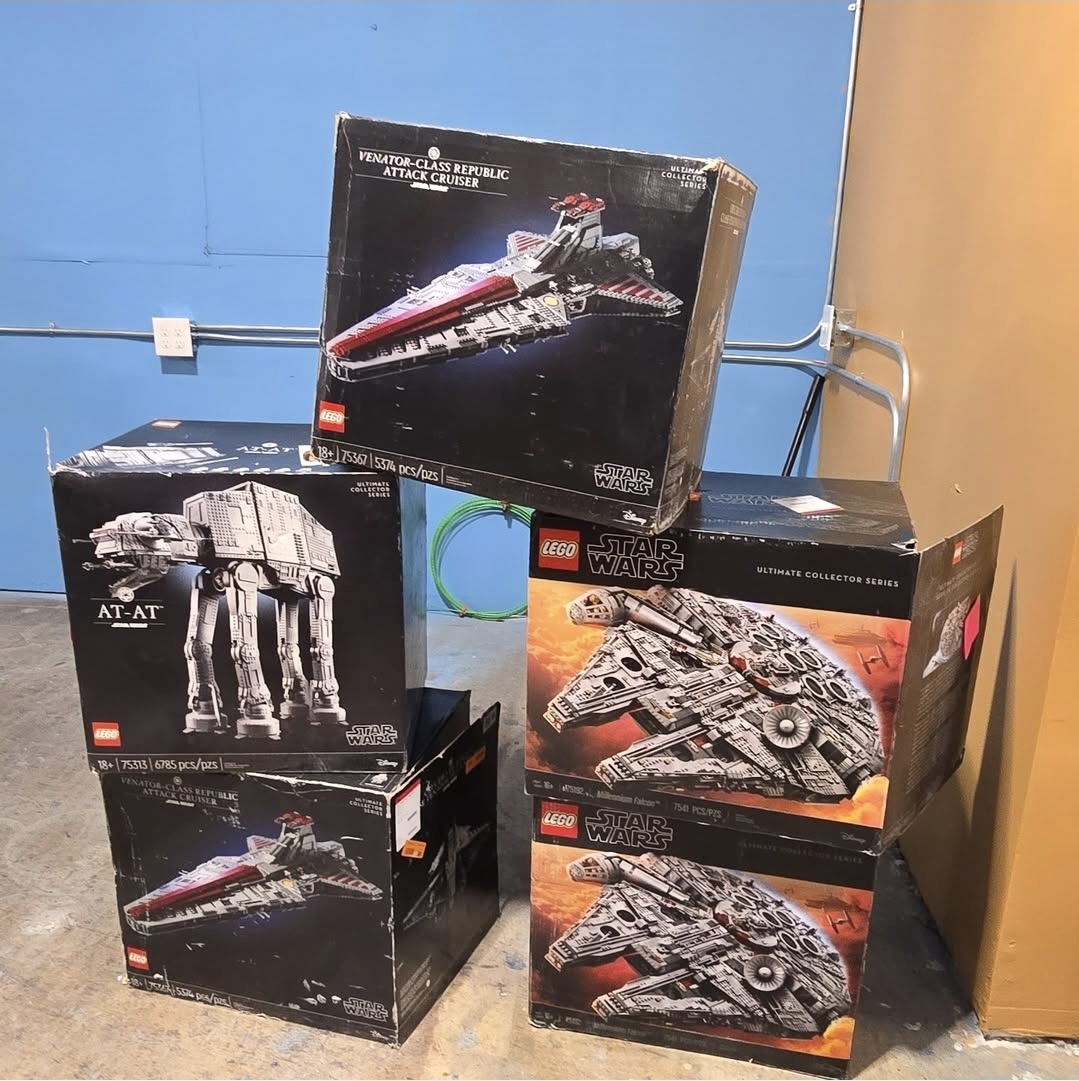
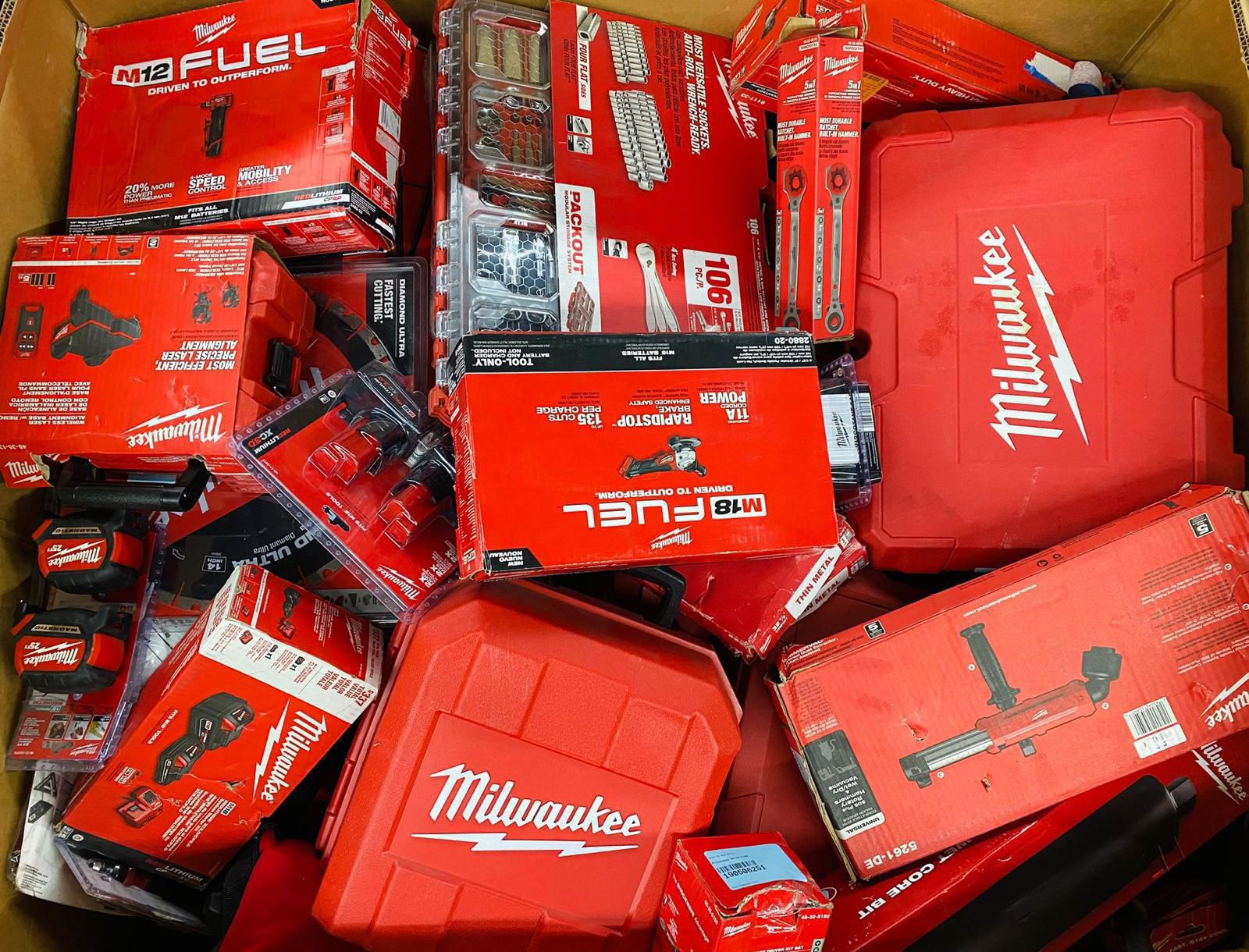
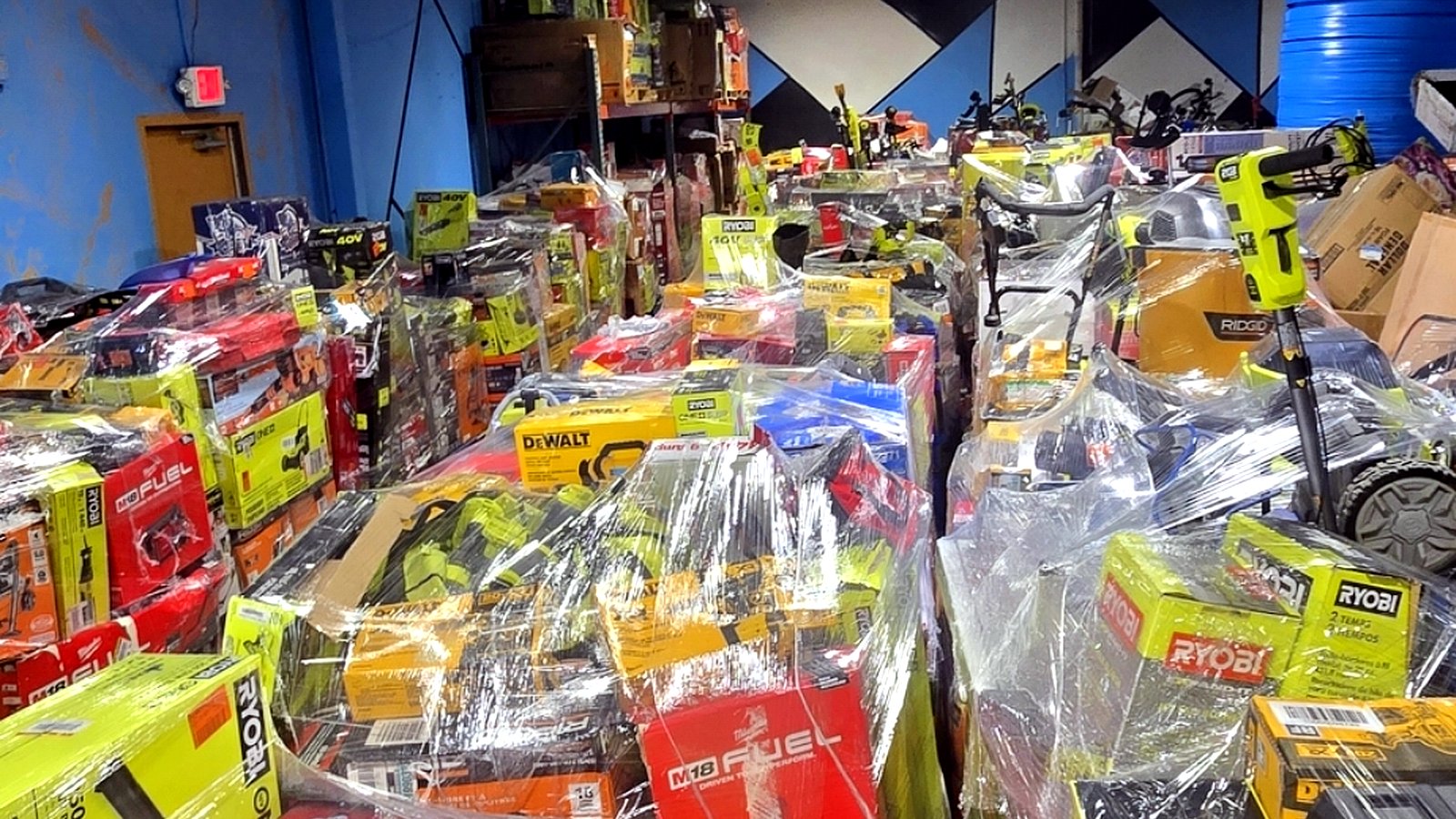
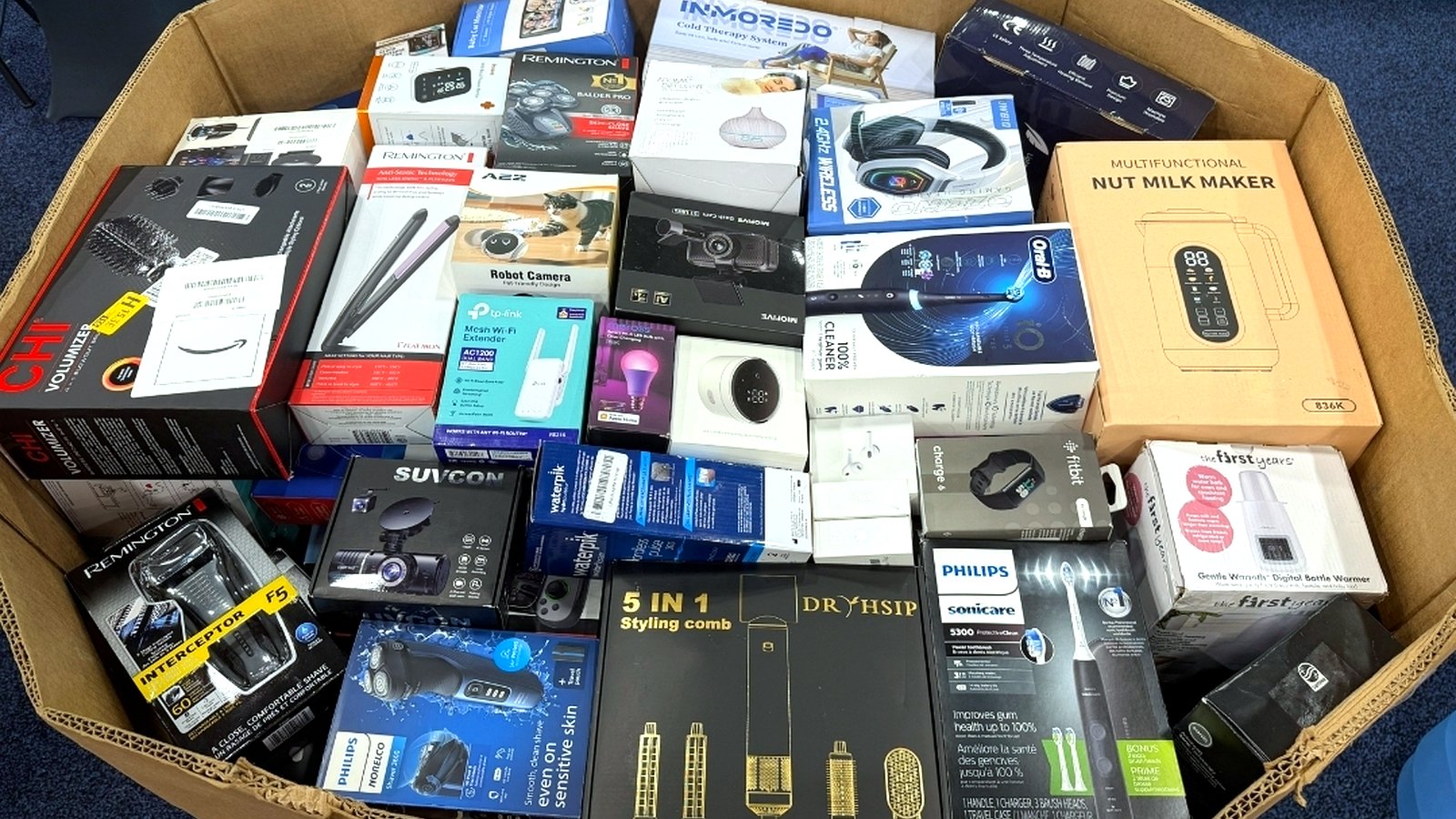
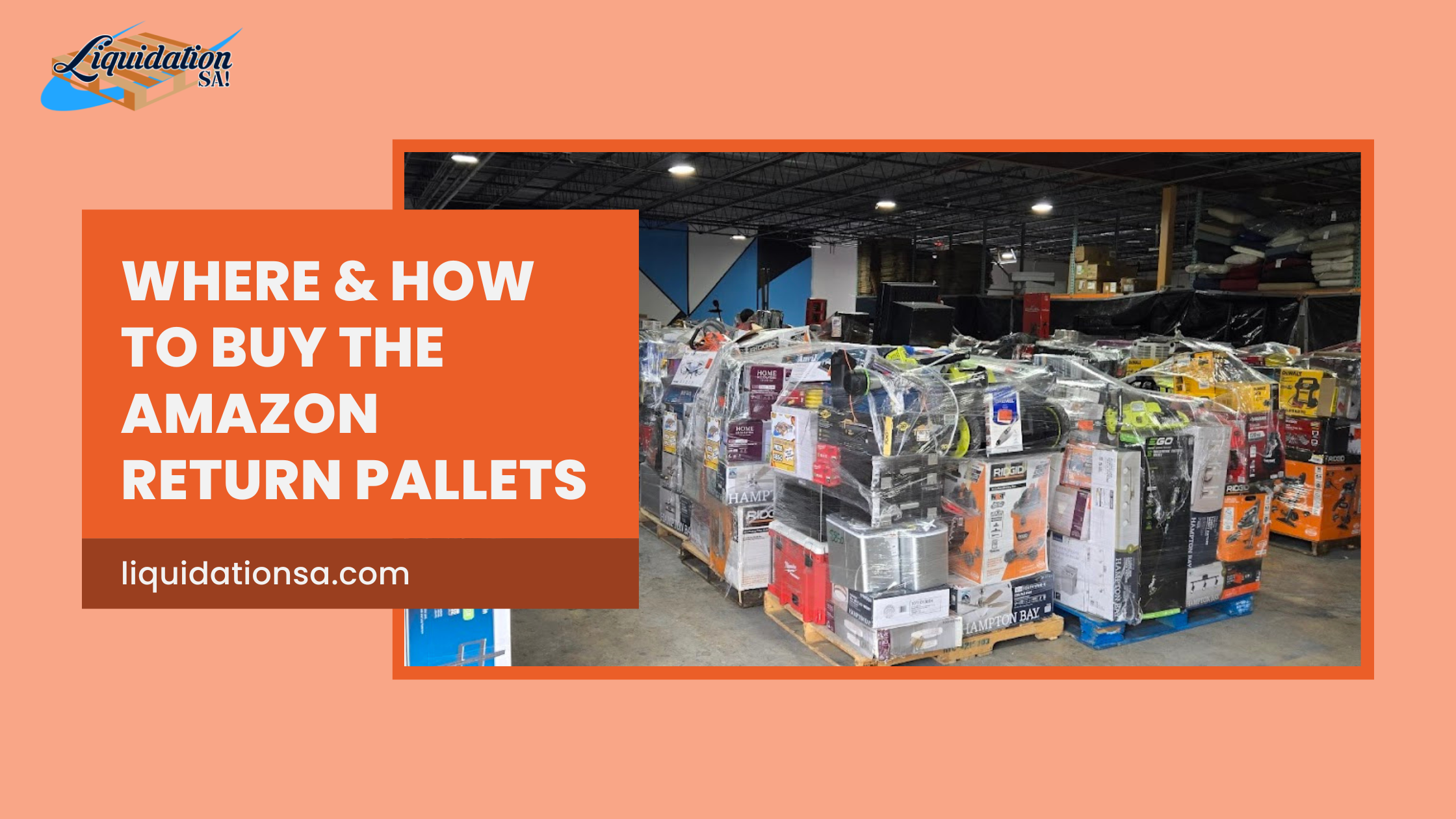
A liquidation truckload is a full trailer of merchandise that a big-box retailer has decided not to put back on the shelf. That usually means customer returns, overstock, shelf pulls, and closeouts. Instead of handling each item one by one, the retailer sells it in bulk, and buyers like you take the whole load.
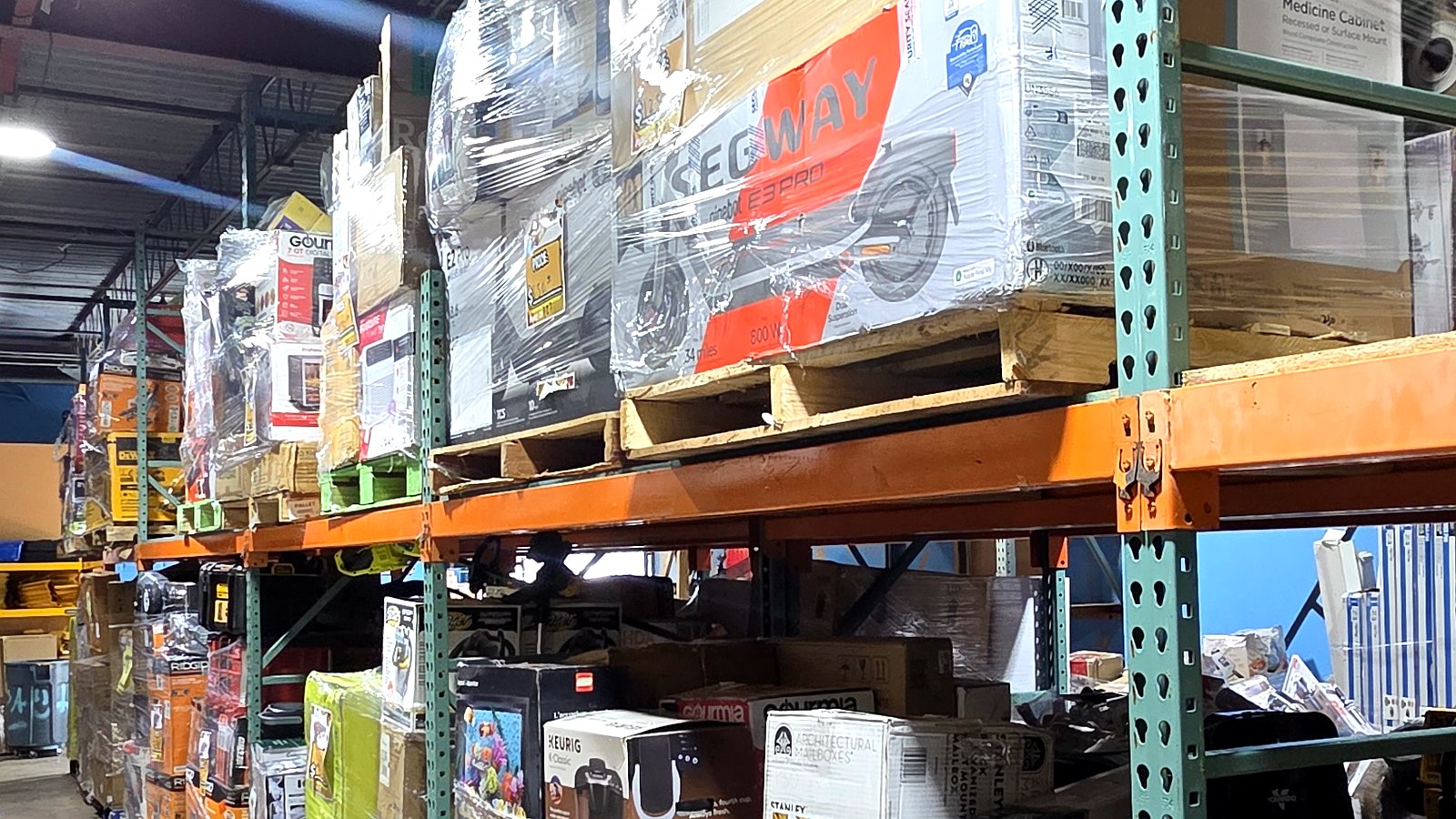
At Liquidation SA, we sell truckloads sourced from major retailers, including Amazon, Walmart, Target, Home Depot, Lowe's, Sam's Club, Kohl's, and CVS. A standard truckload usually holds 24 to 28 pallets, though the count varies with the type of merchandise and the retailer it came from.
Truckloads vs. Pallets vs. Auction Lots
- Auction lots: Single items or small groups you bid on individually at liquidationsatx.hibid.com. Low commitment, and you pick exactly what you want.
- Pallets: A shrink-wrapped stack of mixed merchandise. More volume, less control over what's inside. Our guide What's Really Inside a Returns Pallet? explains what to expect.
- Truckloads: Two dozen or more pallets at once, sold as a single purchase. The most volume and usually the lowest cost per item, but you take the load as a whole.
Who Buys Liquidation Truckloads?
Truckloads are built for people who move a lot of product. Our regular truckload buyers include:
- Discount and bin store owners who need fresh inventory every week
- Flea market and swap meet vendors
- Online resellers selling on eBay, Amazon, Facebook Marketplace, and similar platforms
- Wholesalers who break loads into pallets and resell them
- Liquidation businesses in other cities and states
If you're still figuring out what sells for you, start smaller. Pallets and auction lots let you learn your market before you commit to a whole trailer. Our article on reselling liquidation pallets for profit is a good place to start.
Types of Truckloads You'll See
By Retailer
Where a load comes from shapes what's inside it. An Amazon load tends to be a wide mix of small, everyday products. A Home Depot or Lowe's load leans toward tools, hardware, home improvement, and sometimes appliances. Target, Walmart, and Kohl's loads often carry home goods, apparel, toys, and seasonal items. Pick the retailer whose products match what your customers already buy from you.
By Category
Some loads are general merchandise, a broad mix across departments. Others focus on a category like electronics, home goods, or apparel. General merchandise is forgiving because you're not betting everything on one type of product. Category loads are better when you already have buyers lined up for that category.
By Condition
Truckloads come in a range of conditions, from shelf pulls and overstock to straight customer returns. Overstock and shelf pulls tend to be cleaner and easier to resell. Customer returns are more of a mix: some items are like new, some are missing parts, and some are for salvage. The condition is a big part of why one load costs more than another.
Manifested vs. Unmanifested Loads
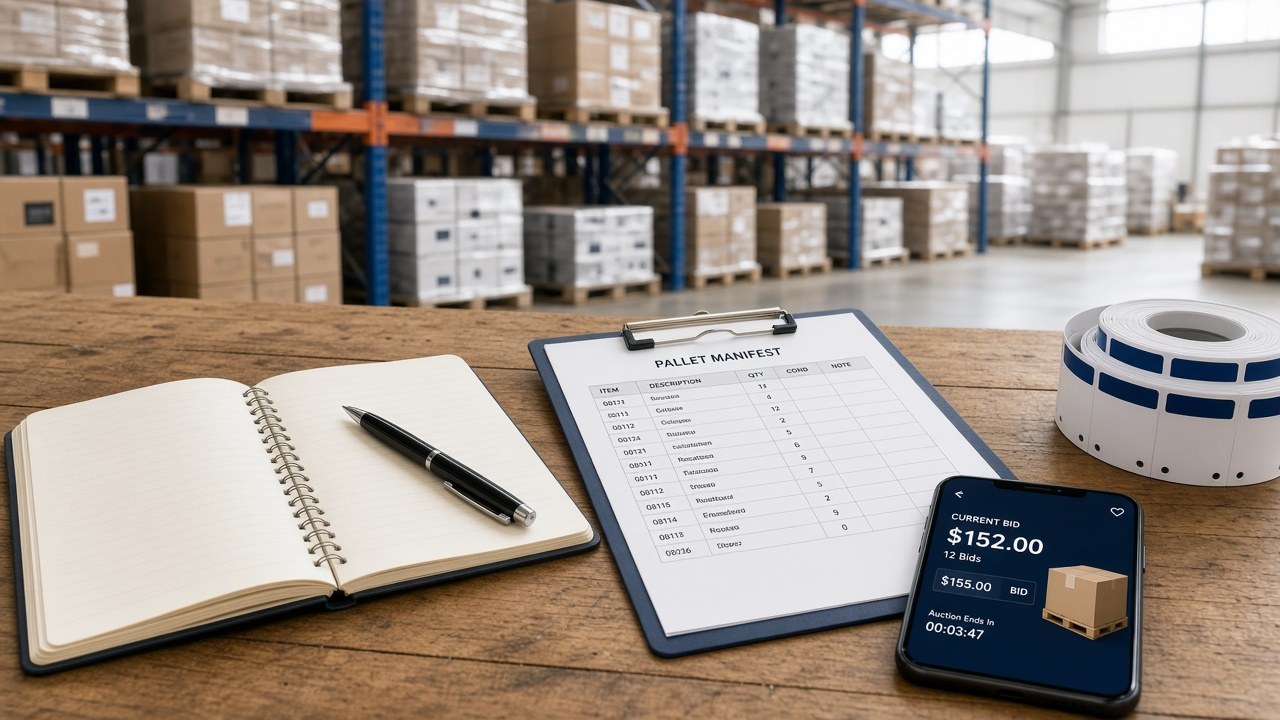
A manifest is a list of what's in the load, often with item descriptions, quantities, and original retail prices. When a manifest is available, we provide it, and it's one of the most useful tools you have for deciding whether a load is a fit.
A few tips for reading a manifest:
- Look past the total retail value. It's a starting point, not a promise of what you'll sell it for. What matters is what those items actually sell for used or open box in your market.
- Scan for your best sellers. If the load is full of products your customers already ask for, that's a good sign.
- Watch for heavy concentration. Fifty of the same item can be great or can sit on your shelf for months. Ask yourself how fast you can move it.
- Remember it's a guide. Manifests come from the retailer's records of returned and overstock merchandise, so treat them as a strong indication of what's inside, not an exact inventory count.
Unmanifested loads don't come with an item list. They usually cost less because you're taking on more uncertainty. They're best for experienced buyers who know a retailer's typical mix and can sell a wide variety of products.
Can You Pick What's in a Truckload?
No. Truckloads are sold as-is and are pre-packed by our retail partners, so they can't be cherry-picked. That's the trade-off for buying at bulk pricing. If you want to hand-pick individual items, our weekly HiBid auctions are the better fit. Our beginner's guide to bidding on HiBid explains how.
Shipping or Pickup in San Antonio
You have two ways to get your load:
- Freight delivery: We offer nationwide shipping and can arrange freight delivery to your location. Make sure you have a way to unload, like a dock, a forklift, or a liftgate delivery, before the truck shows up.
- Arrange your own transportation: If you have your own truck and trailer or a freight carrier you trust, you can coordinate pickup from our warehouse at 7325 Reindeer Trail Ste 118 in San Antonio.
Either way, plan your space before you buy. Two dozen pallets take up more room than most people expect, and you'll want space to sort, test, and stage everything.
Questions to Ask Before You Buy
- Which retailer and category is this load from?
- What condition is it? Overstock, shelf pulls, customer returns, or a mix?
- Is there a manifest? If so, review it line by line.
- How many pallets are in it?
- How will it get to me, and what will freight cost to my location?
- Do I have the space, labor, and sales channels to process it in a reasonable amount of time?
How to Get the Most Out of Your First Truckload
- Sort right away. Separate items into ready to sell, needs testing or cleaning, parts, and donate or recycle.
- Sell the big winners first. High-value items often cover a large share of your cost, so list them quickly.
- Use more than one sales channel. Pair a storefront or flea market booth with online listings so slower items still find buyers.
- Track every load. Record what you paid, what you sold, and how long it took. After a few loads you'll know which retailers and categories work best for you.
Frequently Asked Questions
How many pallets are in a liquidation truckload?
A standard truckload usually contains 24 to 28 pallets, but it varies with the merchandise and the retailer source.
Do truckloads come with a manifest?
Many do. We provide detailed load manifests whenever they're available, along with a description of the load.
Can I return a truckload?
Truckloads are sold as-is and can't be cherry-picked or returned for individual items you don't want. Review the description and manifest carefully before you buy.
Do you ship outside Texas?
Yes. We offer nationwide shipping and can arrange freight delivery for your truckload, or you can coordinate your own transportation from our warehouse.
I'm new to liquidation. Can I still buy a truckload?
Yes. If you're new, we can guide you through the process and help you find a load that fits your business. Many buyers start with auction lots and pallets, then move up to truckloads once they know what sells.
Ready for a Truckload?
Browse our current truckload offerings by retailer at liquidationsa.com/truckloads and tell us what you're looking for, or call us at (210) 934-8919. Not ready for a full load yet? Start with this week's auction at liquidationsatx.hibid.com, with pickup Monday through Wednesday, 2 to 6 PM, on Reindeer Trail. Just remember the 3-day pickup cutoff after the auction ends: paid items that aren't picked up in time are forfeited, with no refund.
Follow Us